Moroccan–American Friendship
Long before modern alliances and headlines, Morocco and the United States built a relationship through clear gestures: early recognition,
shared maritime interests, and a treaty that treated respect as a rule, not a slogan. From Tangier’s diplomatic gateway to the 1786
Peace and Friendship agreement—and later, Casablanca’s strategic moment in World War II—this story follows the people, places, and
documents that turned a first contact into one of the oldest continuous friendships in the American diplomatic record.
The Historic Foundations of Moroccan–American Friendship
The Moroccan–American relationship did not begin with modern strategy or headlines. It began with a rare decision in the 18th century: Morocco chose recognition over suspicion, opening its ports to a young republic and laying the groundwork for one of America’s longest-standing diplomatic friendships.
When a young nation looked across the ocean
In the late 1700s, independence was not a guarantee—it was a gamble. The United States had declared itself free, but it still needed the world to treat it as legitimate. That legitimacy mattered in ways ordinary citizens could feel: safer trade routes, fewer threats at sea, and the ability to sign agreements without asking permission from empires.
In 1777, Morocco—under Sultan Mohammed III—took a step that history still remembers. By opening Moroccan ports to American ships, Morocco offered a quiet but powerful message: “We recognize you.” It was a diplomatic bridge built early, before the new republic had the comfort of stability.
Why that moment mattered: recognition is not just a formal statement. It is a signal of respect, security, and willingness to cooperate— and it can change how a nation survives its first fragile years.
Sultan Mohammed III and the art of looking ahead
Sultan Mohammed III was not ruling from a closed fortress. He governed a kingdom connected to trade, ports, and international negotiation. Morocco’s geographic position—at the meeting point of the Atlantic and the Mediterranean—made maritime stability essential. He understood that influence could be built through diplomacy and commerce, not only through force.
Recognizing the United States was therefore both strategic and visionary. It diversified Morocco’s partners, demonstrated independence from European rivalries, and presented Morocco as a sovereign actor capable of setting its own diplomatic direction.
The treaty that turned goodwill into a lasting bond
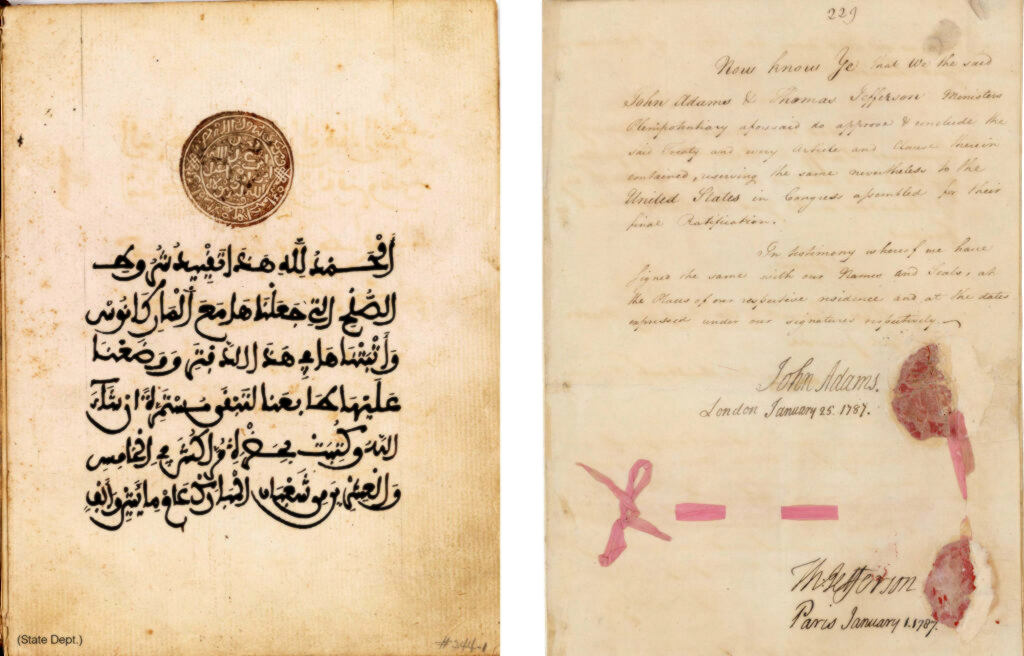
In 1786, the relationship was formalized through the Treaty of Peace and Friendship. Treaties can sometimes feel like dry paperwork, but this one carried real weight. It shaped how people and goods moved across the sea, how ships were treated, and how conflicts could be avoided.
For the United States, it was a diplomatic milestone: one of the earliest treaties with a foreign nation. For Morocco, it was an affirmation of authority, mutual respect, and a commitment to stability at a time when maritime politics could turn brutal very quickly.
Morocco opens its ports to American ships—an early diplomatic recognition of the new republic.
Treaty of Peace and Friendship formalizes cooperation, maritime protection, and mutual respect.
The American Legation in Tangier becomes a lasting symbol of the relationship on Moroccan soil.
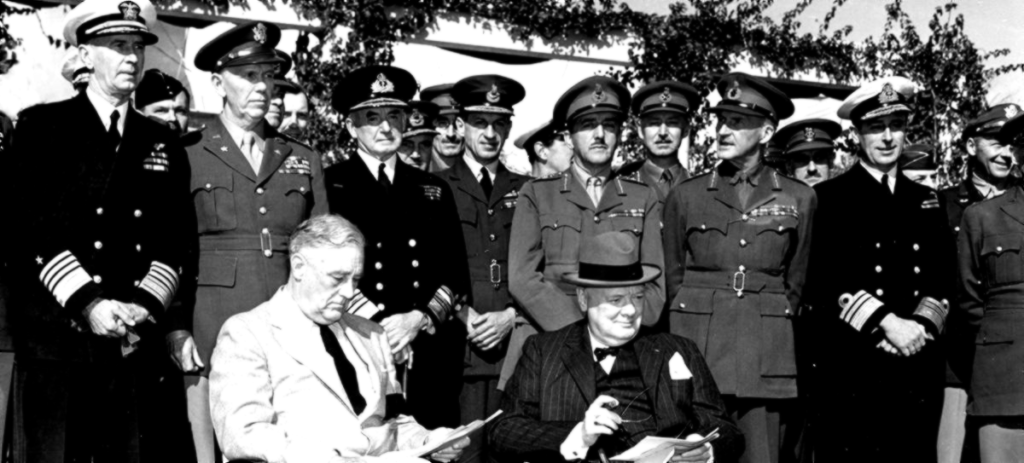
Casablanca Conference highlights Morocco’s strategic role during World War II and deepens historical familiarity.
Cooperation continues across education, trade, and security—built on centuries of diplomatic continuity.
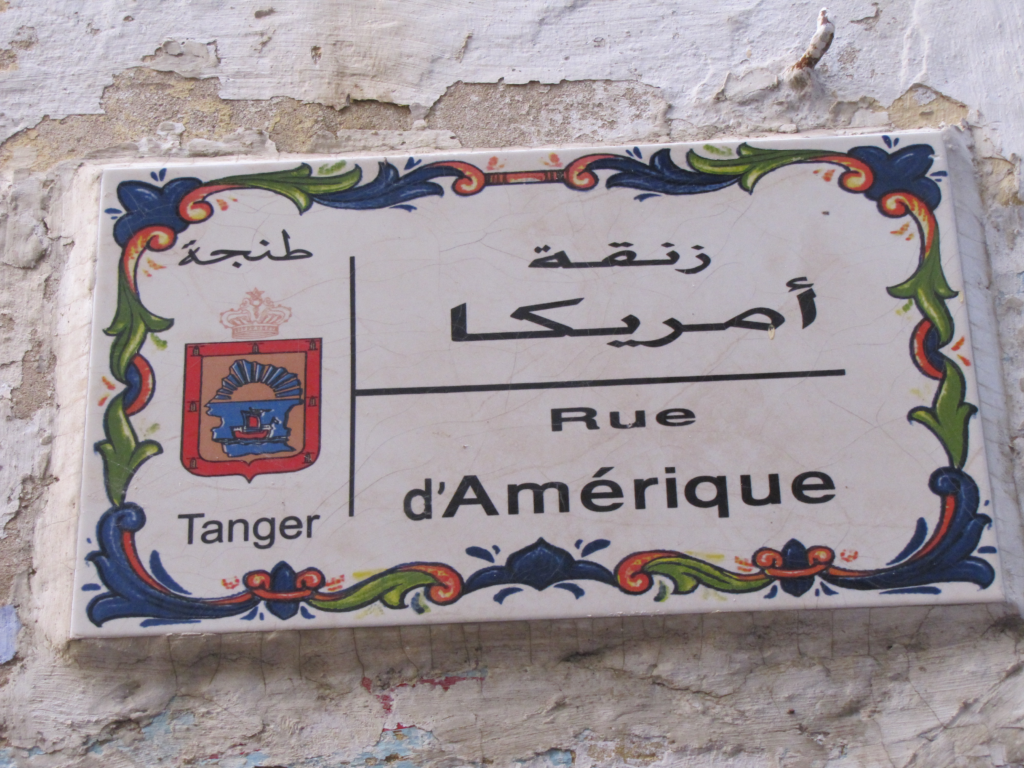
Tangier’s American Legation: a friendship you can walk into
Some diplomatic relationships exist only in archives. This one has a physical address. In Tangier, the American Legation stands as a tangible reminder that Morocco and the United States have been in conversation for centuries. The building has hosted diplomats, artists, and visitors who came to understand each other not through slogans, but through lived encounters.
That kind of symbol matters because it makes history feel close. You are not just reading about an agreement; you are seeing the places where trust was built.
From diplomacy to people: how friendships survive
Treaties begin relationships, but people sustain them. Over time, Moroccan–American ties expanded into cultural exchange, study programs, artistic influence, and trade. Students crossed oceans with curiosity, not suspicion. Entrepreneurs built partnerships. Artists carried impressions back home.
That human layer is what keeps the relationship flexible. Politics changes. Generations change. But the habits of exchange—learning, trading, visiting, collaborating— help the friendship breathe.
A modern legacy built on an old foundation
Today, the relationship includes cooperation in education, economic ties, and shared security interests. Yet what makes it unique is its continuity. This is not a friendship invented by modern convenience; it is rooted in an early act of recognition and a long tradition of mutual respect.
In a world where alliances often feel temporary, the Moroccan–American relationship stands out as something rarer: a connection that has evolved without breaking, carrying its origin story forward into each new era.
Why is the 1777 recognition considered so significant
Because the United States was still a fragile new republic. Early recognition gave legitimacy, improved trade confidence, and signaled that Morocco was willing to treat the United States as a sovereign partner.
What makes the 1786 Treaty of Peace and Friendship special today
It is one of the longest-standing diplomatic agreements in U.S. history. More than a document, it represents continuity—an agreement that survived changing global dynamics for centuries.
How did World War II strengthen the connection
Morocco’s strategic role and events like the Casablanca Conference increased American engagement and reinforced Morocco’s importance as a diplomatic and geopolitical crossroads.
Is the relationship only diplomatic or also cultural
It is both. Cultural exchange, education, travel, and trade added a human layer that makes the relationship more resilient than a purely political alliance.
Timeline continuation: how the friendship kept evolving
The early milestones (1777–1786) built the foundation. The story continues with symbols, exchanges, and modern cooperation that kept the relationship active across generations.
-
1821
The American Legation in Tangier becomes a permanent diplomatic home
A gifted building, a living archive, and a place where diplomacy became human—through visitors, artists, and long conversations that outlast political cycles.
-
1943
Casablanca Conference: Morocco as a wartime crossroads
In the middle of World War II, Morocco became a strategic meeting ground for Allied leaders, reinforcing the country’s role as a hub where global decisions could be shaped.
-
1956
Morocco’s independence opens a new diplomatic chapter
With independence, the relationship enters a modern era: state-to-state cooperation expands while historical continuity remains a shared reference point.
-
2004–2006
Free Trade Agreement era: commerce becomes a modern pillar
Trade cooperation accelerates with structured frameworks that deepen business ties, strengthen supply chains, and connect markets more directly than in any previous century.
-
Today
A living partnership: education, security, and shared projects
The relationship continues through exchange programs, joint initiatives, and coordination on regional stability—built on the rare advantage of centuries of diplomatic familiarity.
Treaty of Peace and Friendship (1786)
Casablanca Conference (1943)
American Legation – Tangier (Symbol of Moroccan–American Friendship)