Is It Safe for Jewish Tourists in Morocco: Understanding the Local Context for Jewish Tourists
For many Jewish travellers, the question is not only practical. It is also personal. Safety matters in the ordinary sense, of course: airports, streets, hotels, transport, crowded areas, late-night movement, and the usual precautions that come with international travel. But for Jewish visitors, another layer often sits underneath the logistical one. They also want to know whether they will feel comfortable, whether Jewish identity will be understood with respect, and whether visiting synagogues, cemeteries, mellahs, or community institutions will feel natural rather than tense.
In Morocco, that question deserves a careful answer rather than a romantic one. The country has a long and unusually visible Jewish history within the Arab world. Jewish life formed part of Moroccan society for centuries, and Jewish heritage remains woven into the country’s historical memory in ways that are still publicly acknowledged today. At the same time, Morocco is not risk-free. Like many destinations, it carries general travel risks, and several Western governments currently advise travellers to exercise increased caution or a high degree of caution because of terrorism concerns.
So the most honest answer is this: for most Jewish tourists, Morocco is generally considered a viable and rewarding destination, and there is no broad pattern in official travel advisories of Jews being singled out as a distinct target there; but travellers should still approach the country with the same level of informed caution they would use in any destination with an active terrorism advisory.
A country where Jewish history is still visible
One of the reasons Morocco feels different from many other destinations in the region is that its Jewish heritage is not hidden in obscure archives alone. It is visible in neighborhoods, synagogues, cemeteries, museums, and restored heritage sites. Public-facing heritage resources in Morocco point to Jewish sites of interest across the country, including museums, preserved synagogues, cemeteries, and saints’ tombs. They also note the existence of the Moroccan Jewish Museum in Casablanca and Jewish heritage initiatives in places such as Essaouira and Fez.
That visibility matters. It does not automatically answer every security concern, but it does shape the atmosphere in an important way. A destination where Jewish history is openly acknowledged, restored, and incorporated into national heritage presents a very different environment from one in which Jewish presence is treated as taboo, erased, or publicly denied.
For travellers, this often translates into something simple but meaningful: Jewish heritage visits in Morocco tend to feel legible. A mellah is understood as part of the city’s past. A synagogue visit does not feel like an act carried out in cultural secrecy. A Jewish museum visit is not out of place. That sense of historical legitimacy can ease some of the emotional uncertainty Jewish visitors may feel before arriving.
What the current travel picture actually suggests
That said, safety is never only about atmosphere. It is also about current conditions. Official advisories from the United States, the United Kingdom, and Canada all indicate that Morocco remains a destination where travellers should stay alert because of the threat of terrorism. The U.S. State Department currently lists Morocco at Level 2: Exercise Increased Caution, specifically due to terrorism, and notes that attacks could target tourist locations, transportation hubs, markets, shopping malls, and government facilities.
The UK government similarly warns that there is a global threat of terrorist attack affecting British interests and nationals, including in Morocco, and urges travellers to stay aware of their surroundings. (GOV.UK) Canada’s government advises travellers to exercise a high degree of caution in Morocco because of the threat of terrorism, with stronger regional warnings applying in certain areas.
These warnings are important, but they should also be read carefully. They are not the same as saying Morocco is broadly unsafe for Jewish tourists in particular. Rather, they point to a general security environment in which all foreign visitors should remain attentive, especially in high-profile public places.
That distinction matters because many travellers asking this question are really asking two questions at once. First: Is Morocco broadly safe enough to visit? Second: Is it meaningfully more risky if I am Jewish? Based on the official material above, the answer to the first is that Morocco requires caution but remains widely visited. The answer to the second is that the advisories focus on terrorism and public security risk in general, not on a documented pattern of anti-Jewish targeting of tourists as a class.
The lived experience is often more ordinary than anxious
For many Jewish visitors, Morocco turns out to feel more ordinary and more welcoming than they feared before arrival. That does not mean there are no awkward moments, no misunderstandings, and no need for judgment. It means that the day-to-day experience of travel often consists less of dramatic tension and more of the familiar rhythms of Morocco itself: guides, medinas, traffic, hospitality, heritage stops, conversations, and the quiet recognition that Jewish history remains part of the country’s cultural vocabulary.
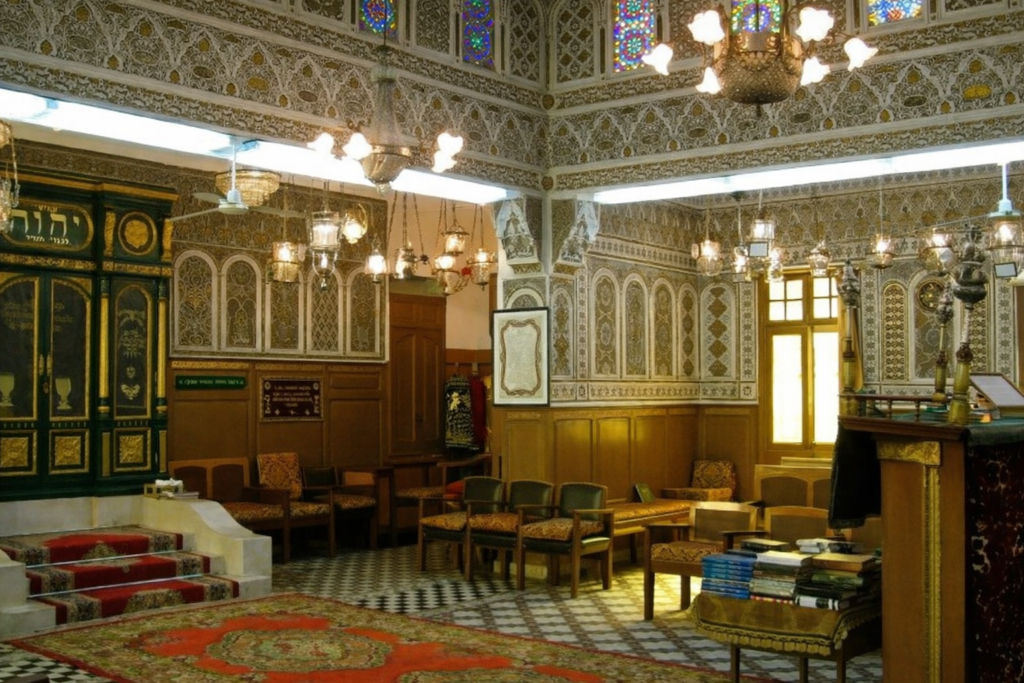
Cities that appear often in Jewish heritage itineraries include Casablanca, Marrakech, Fez, Tangier, Tetouan, and Essaouira. Heritage-oriented travel material highlights sites such as Temple Beth-El in Casablanca, the Lazama Synagogue in Marrakech, Ibn Danan Synagogue in Fez, and Jewish quarters and cemeteries in several cities.
For travellers, this means that Jewish presence is not only historical in the abstract. It is part of an established visitor route. That tends to make the experience smoother. Drivers know the stops. Guides know the stories. Local tourism ecosystems are already accustomed to Jewish heritage tourism.
Respect matters, and so does tone
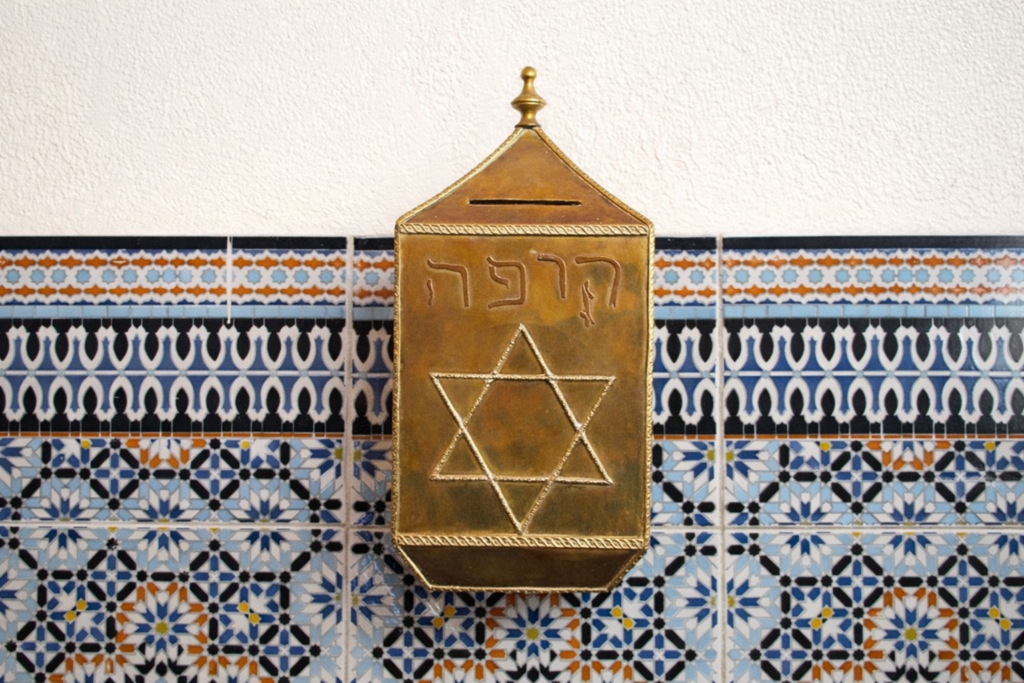
Even in a generally welcoming environment, travellers benefit from cultural intelligence. Morocco is a Muslim-majority country with a strong sense of social etiquette and public decorum. In practice, that means Jewish travellers usually do best when they approach the country in the same spirit as thoughtful travellers of any background: with respect, calm curiosity, and an awareness that they are guests in a society with its own rhythms and sensitivities.
This is less about suppressing Jewish identity and more about travelling well. A respectful tone, modest dress in religious or conservative settings, and sensitivity around prayer spaces or communal institutions go a long way. The same is true of avoiding an overly performative approach to identity in public settings. Many seasoned travellers know this instinctively. They do not hide who they are, but they also do not assume that every environment is the right place for loud symbolic display.
That kind of balance usually works well in Morocco. It reduces friction, preserves dignity, and allows the trip to remain focused on encounter rather than defensiveness.
Heritage travel is often easier with structure
One of the most reassuring choices Jewish travellers can make in Morocco is to avoid improvising every detail. Morocco rewards independent travellers in many ways, but Jewish heritage travel often becomes easier, richer, and calmer when there is some structure around it.
That can mean using a reputable guide who knows Jewish sites well, arranging visits through established operators, or contacting community-linked institutions ahead of time when appropriate. It can also mean building an itinerary around the cities where Jewish heritage infrastructure is already visible and easier to access.
This is not because Morocco is uniquely difficult. It is because heritage travel becomes far more meaningful when context is present. A synagogue is more than a stop. A cemetery is more than an image. A mellah is more than a photogenic quarter. The right guide or local contact can help a visitor understand what they are seeing, what is restored, what remains active, what belongs to memory, and what still belongs to living communal life.
That structure can also ease security anxiety. Travellers who know where they are going, how they are getting there, and who they are meeting tend to feel steadier than those trying to negotiate everything in real time.
What practical precautions actually make sense
The best safety advice for Jewish tourists in Morocco is not exotic. It is mostly the same advice that works for thoughtful travel almost anywhere, adapted to current advisory conditions.
Stay aware in crowded public places, especially major tourist sites, transport hubs, and busy commercial areas, since those are exactly the kinds of places named in official terrorism warnings. Use established hotels or riads with solid reviews and professional reception. Arrange airport transfers in advance when arriving late. Keep your documents secure and accessible. Share your itinerary with someone you trust. Register with your embassy service where relevant; the U.S. State Department recommends STEP for Americans, and Canada provides embassy and emergency contact information for Morocco.
None of this is dramatic. That is precisely the point. Good travel security often looks boring. It is built out of planning, not fear.
Jewish community connections can add reassurance
Another underappreciated source of confidence is contact with Jewish community resources, whether directly or through tourism networks familiar with them. Morocco’s Jewish population today is much smaller than it once was, but the country still has institutions, heritage organizations, and community-linked spaces that matter. Public-facing resources on Jewish heritage in Morocco point to museums, synagogues, and community-run or community-connected heritage sites in multiple cities.
For travellers, that can be comforting in two ways. First, it gives practical orientation. Second, it shifts the emotional texture of the trip. Instead of moving only through memory sites of vanished communities, travellers also encounter signs of continuity, however modest. That continuity can make a great difference, especially for visitors coming with family history or with a deeper personal attachment to Jewish heritage in North Africa.
Avoiding extremes in how the question is framed
Questions about safety often drift toward one of two extremes. One extreme paints Morocco as perfectly uncomplicated, almost as though history, politics, and regional tensions do not exist. The other paints it as inherently unsafe for Jewish visitors simply because it is an Arab and Muslim-majority country. Neither approach is serious.
Morocco deserves a more grounded reading. It is a country with a deep Jewish past, visible heritage, and a travel environment in which Jewish visitors regularly and meaningfully explore synagogues, cemeteries, mellahs, and museums. At the same time, like many destinations, it exists within a regional and global security context shaped by terrorism concerns, which is why multiple governments advise increased caution.
The mature position is not naive optimism or anxious projection. It is informed confidence.
So, is it safe?
For most Jewish tourists, yes, Morocco can be a safe and deeply worthwhile destination when approached with normal travel awareness, sensible planning, and respect for local context. The country’s Jewish heritage is real, visible, and meaningful. Official advisories do call for caution, especially because of terrorism risk, but they do not point to a broad pattern of Jewish tourists being singled out as a routine danger category.
That means the right question may not be Is Morocco safe in some absolute sense? Few places are. The better question is Can a Jewish traveller visit Morocco thoughtfully, safely, and with genuine cultural reward? On the evidence available, the answer is yes.
And for many visitors, that answer becomes more than a security conclusion. It becomes part of the meaning of the trip itself. To walk through Moroccan Jewish sites, to see how memory remains built into the landscape, and to experience a country where Jewish history still has public presence is not only reassuring. It is often moving. Morocco does not erase the complexity of the wider world. But it does offer something increasingly rare: a travel experience in which Jewish heritage is not treated as foreign to the nation’s story, but as one of the strands that helped shape it.
Explore an interactive map of Jewish heritage in Morocco featuring cities, mellahs, synagogues, cemeteries, pilgrimage routes, and rich historical notes across the country.
Jewish Heritage in Morocco Map: Synagogues, Mellahs, Cemeteries and Pilgrimage Sites
Read more
- Morocco cultural etiquette guide
- Jewish heritage sites in Morocco
- travel safety tips for Morocco