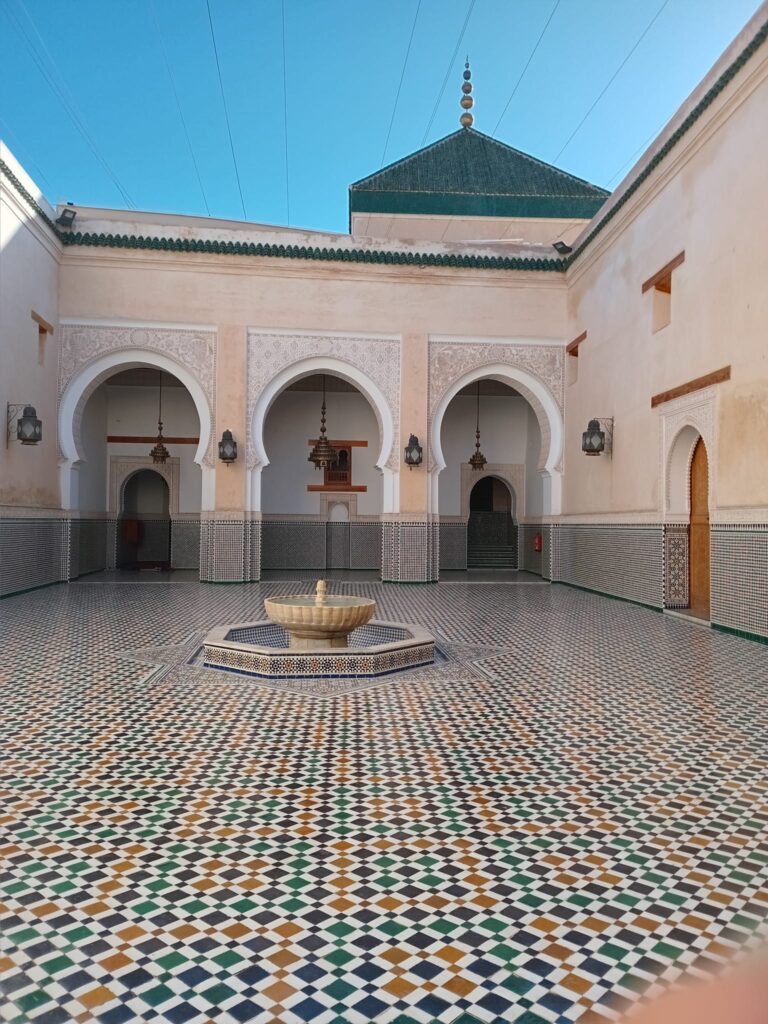
The History of the Central State in Morocco from Moulay Ismail to the Present Day
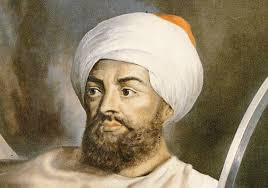
The concept of a centralized state in Morocco became evident during the reign of Sultan Moulay Ismail (1672–1727), who implemented a distinctive approach to asserting centralized authority. His reign was marked by the establishment of a new system based on monopolizing legitimate violence and disarming tribes, as well as constructing a network of military fortresses that became the backbone of maintaining security, collecting taxes, and ensuring trade routes. This model represents a pivotal phase in Morocco’s development into a centralized state.
The Centralized State During Moulay Ismail’s Era
Moulay Ismail built the centralized state on two main pillars:
- Disarming Tribes To monopolize legitimate violence, Moulay Ismail launched extensive military campaigns to disarm tribes. For instance, he waged wars against tribes such as Beni Yznasen and Sanhaja and the Berbers of the Fazaz Mountains, confiscating their weapons and forcing them into submission. This strategy aimed to curtail internal rebellions and consolidate Makhzen authority.
- Building Military Fortresses The fortresses played a critical security and economic role. From a security perspective, they were used to monitor rebellious tribes and secure trade routes. Economically, they were tasked with tax collection and providing resources to the army. Fortresses were strategically constructed in locations such as Meknes, which served as a « grand military fortress, » and others like Azrou and Ain Leuh.
The Role of Military Fortresses
- Tribal Surveillance Fortresses ensured the stability of tribes, especially those prone to rebellion, by closely monitoring their activities and preventing uprisings.
- Securing Trade They were strategically placed along major trade routes, such as the roads connecting Meknes and Fez or Marrakech and Tafilalt, to protect travelers and caravans.
- Tax Collection Fortresses served as administrative centers for collecting taxes from surrounding regions, which were then used to sustain the military garrisons stationed in these fortresses.
Continuation of the Central State After Moulay Ismail
Despite Moulay Ismail’s death, the centralized state’s system continued to function, although periods of weakened authority led to challenges. The decline of central power negatively impacted the maintenance of fortresses and the effectiveness of their garrisons. Nonetheless, Morocco transitioned into a modern state, particularly in the 20th century, adopting modern institutions to enhance centralization, such as professional armies, local administration, and contemporary tax systems.
The Age of the Central State: From Moulay Ismail to Today
If we consider Moulay Ismail’s reign as the beginning of the Moroccan centralized state, its age spans from 1672 to the present day, a period of approximately 352 years. Over this time, the state has undergone significant transformations, evolving from a fortress- and tribe-based system to a modern institution-driven state.
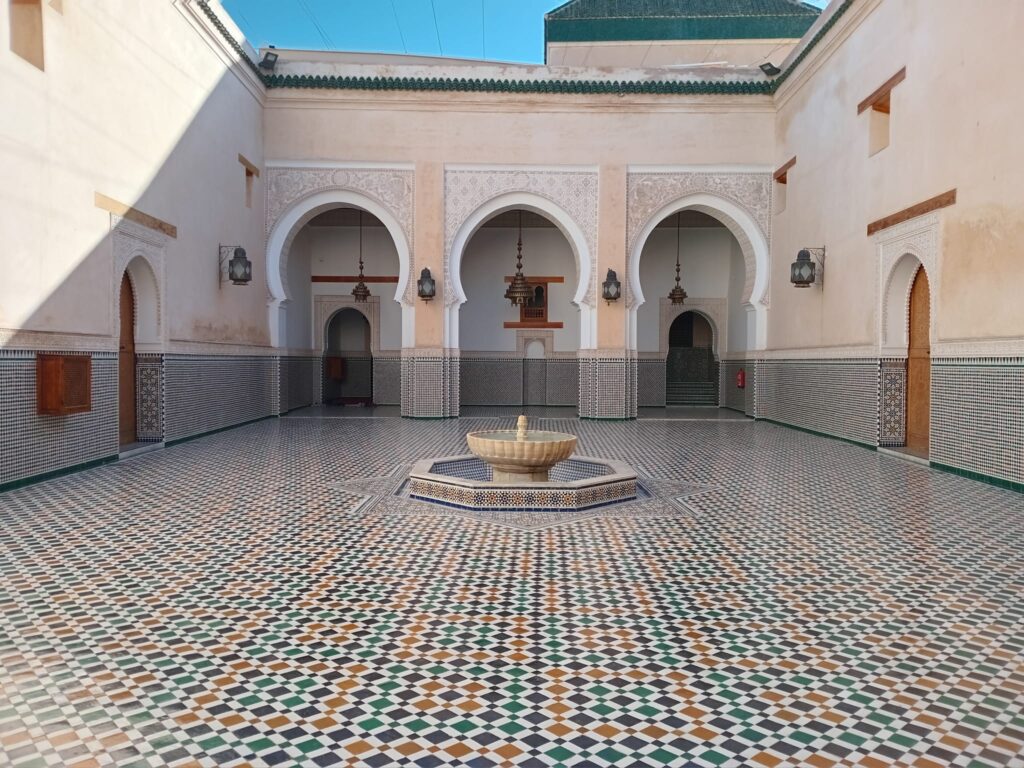
Mausoleum of Mawla Ismail with original mosaics and architecture
The Historical Significance of Meknes as a Capital
Meknes is one of Morocco’s most prominent historical capitals, especially during the reign of Sultan Moulay Ismail (1672–1727), who made it the seat of his kingdom. The city gained immense importance due to its strategic geographic location, its rich history, and its pivotal role in strengthening the Moroccan central state.
1. Strategic Location
- Proximity to the Middle Atlas Mountains: Meknes’ location near the Middle Atlas made it an ideal launching point for Sultan Moulay Ismail’s military campaigns against rebellious mountain tribes.
- Trade Route Connection: The city served as a hub connecting northern, southern, and eastern Morocco, making it a key center for securing trade routes and protecting caravans.
2. Military Role
- Meknes acted as a grand military fortress during Moulay Ismail’s era. It was fortified with weapon depots, military barracks, and infrastructure to coordinate campaigns against rebellious tribes.
- The Sultan reinforced the city with strong walls and a robust military infrastructure, establishing it as the heart of the royal authority.
3. Security and Economic Functions
- Route Protection: Its proximity to mountain ranges and trade passages allowed Meknes to serve as a base for ensuring the safety of travelers and caravans.
- Tax Collection: Meknes functioned as a center for collecting taxes from surrounding regions, contributing significantly to the royal treasury.
4. Architectural Legacy
- During Moulay Ismail’s reign, Meknes underwent a significant architectural transformation, with notable landmarks such as:
- Bab Mansour: A grand gate symbolizing power and prestige.
- Dar Kebira Palace: The royal seat of governance and administration.
- Sahrij Swani Reservoir: An advanced water system supplying the city.
- Royal Stables: Designed to house the Sultan’s army and equipment.
- These structures made Meknes a testament to the grandeur of the Moroccan state during that era.
5. Symbol of Central Authority
- Under Moulay Ismail, Meknes embodied the central state’s power, combining military might with administrative organization. The city reflected the Sultan’s ability to assert his authority across the country.
6. Post-Moulay Ismail Period
- After the death of Moulay Ismail, Meknes ceased to serve as the primary capital for Moroccan rulers but retained its historical and architectural significance, remaining a symbol of a golden era in Morocco’s history.
7. World Heritage Recognition
- In modern times, Meknes has been recognized as a UNESCO World Heritage Site due to its unique historical landmarks, which stand as a testament to its glorious past.
Meknes, as a historical Moroccan capital, showcases a unique architectural style that reflects the confluence of various influences over centuries. Its architecture is a testament to Morocco’s rich cultural heritage and the vision of Sultan Moulay Ismail, who transformed the city into a symbol of power and grandeur. The following architectural styles significantly influenced Meknes:
1. Islamic Architecture
- Influence: The dominant style throughout Meknes, reflecting the Islamic world’s focus on geometric designs, symmetry, and ornamentation.
- Examples:
- Bab Mansour: Intricate zellij (mosaic tilework) and carved stucco patterns typical of Islamic art.
- Mosques and Madrasas: Features include horseshoe arches, ornate minarets, and detailed calligraphy.
2. Andalusian Architecture
- Influence: A strong influence due to the migration of Andalusian Muslims to Morocco after the Reconquista.
- Examples:
- Gardens and Courtyards: Andalusian-style riads (houses with central courtyards) and lush gardens like the Agdal Basin.
- Water Features: Use of fountains and reflective pools to enhance tranquility.
3. Saharan and Berber Architectural Elements
- Influence: Reflects the integration of local Amazigh (Berber) and Saharan design traditions.
- Examples:
- Defensive Walls: Thick, mudbrick walls with minimal openings, reflecting Berber fortification techniques.
- Kasbah-like Structures: Simple, functional designs for military and storage purposes.
4. Almoravid and Almohad Styles
- Influence: As earlier dynasties that shaped Moroccan architecture, their styles influenced subsequent developments in Meknes.
- Examples:
- Arched Entrances: Horseshoe and multi-foil arches were commonly used in gates and religious buildings.
- Minimalist Aesthetics: A focus on simple, robust forms with subtle decorative elements.
5. European Baroque Influences
- Influence: Introduced during Sultan Moulay Ismail’s reign due to diplomatic and military interactions with European powers.
- Examples:
- Vaulted Ceilings: Seen in the royal granaries and stables, designed with European engineering principles.
- Palatial Layouts: Inspired by European palace designs, the grand layout of Dar Kebira reflects Baroque grandeur adapted to Moroccan contexts.
6. Moulay Ismail’s Visionary Blend
- Influence: Sultan Moulay Ismail combined various styles into a cohesive architectural identity for Meknes, creating a city that symbolized both Moroccan tradition and his imperial ambition.
- Examples:
- Imperial Palace Complex: Combines local and imported styles, with large courtyards, ornate gates, and monumental structures.
- Granaries and Stables: Massive, practical structures designed to reflect the Sultan’s power and organizational prowess.
7. Functional Military Architecture
- Influence: Designed to enhance the city’s strategic defense capabilities.
- Examples:
- Fortifications: The massive walls and bastions around Meknes, blending military utility with aesthetic detail.
- Kasbahs and Barracks: Inspired by traditional Moroccan and Islamic styles but optimized for housing soldiers and protecting the city.